


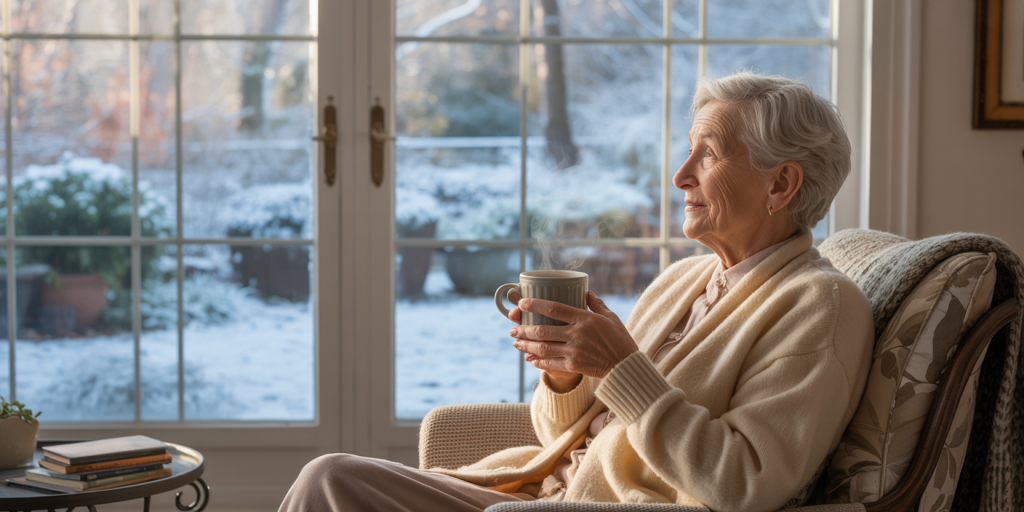
Cold weather can have a serious impact on older people, particularly during the winter months when temperatures drop and routines change. As we age, our bodies respond differently to the cold, and what may feel like mild discomfort to some can quickly become a health concern for others. Understanding these risks can help families take early action and keep loved ones safe and comfortable at home.
The Body Struggles More to Regulate Temperature
As people get older, the body becomes less efficient at regulating temperature. Reduced circulation, lower muscle mass, and certain medical conditions can make it harder to stay warm. Older people may not always feel the cold in the same way, which increases the risk of becoming unwell without realising it.
Increased Risk of Illness
Cold weather places extra strain on the immune system. Winter illnesses such as chest infections, flu, and respiratory problems are more common in older people and can take longer to recover from. Existing conditions like heart disease, arthritis, and diabetes can also worsen in colder temperatures.
Reduced Mobility and Confidence
Cold weather often leads to stiff joints, muscle pain, and a fear of slipping, particularly on icy paths or cold floors. This can result in reduced movement, less confidence, and spending more time sitting indoors. Over time, this lack of activity can affect strength, balance, and overall well-being.
Homes Can Feel Colder Than Expected
Older people may be reluctant to turn up heating, wear extra layers, or mention that they feel cold. Cold homes can increase the risk of hypothermia and illness, even when temperatures do not feel extreme. Ensuring living spaces are warm and comfortable is vital during winter.
Increased Isolation in Winter
Shorter days, bad weather, and fewer visitors can lead to increased loneliness. Isolation can have a real impact on mental health, particularly in colder months when people are less likely to go out or socialise.
How Home Care Can Help During Cold Weather
Professional home care can play an important role in keeping older people safe during winter. Support can include help with dressing warmly, preparing hot meals, encouraging gentle movement, and keeping an eye on health and wellbeing. Just as importantly, regular visits provide reassurance and companionship during a time of year that can feel long and difficult.
At A1 Home Care Ltd, we understand the challenges cold weather brings and how quickly small concerns can become bigger issues. Our carers help clients stay warm, comfortable, and supported at home throughout winter.
Staying Safe Through the Winter Months
Cold weather does not have to mean increased risk. With the right awareness, routines, and support in place, older people can continue to live safely and comfortably at home, even during the coldest months.
If you are concerned about how a loved one is coping during winter, early support can make all the difference.
Call A1 Home Care on 01245 354774